AI races for gas and nuclear power as doubts grow over its spending
Anthropic buys $3.4 billion in gas generators while Google and Amazon lock in nuclear; Wall Street questions whether AI spending can last.
In 30 seconds
- Anthropic agreed to pay $3.4 billion for gas generators with up to 1.7 GW of capacity, according to the Financial Times.
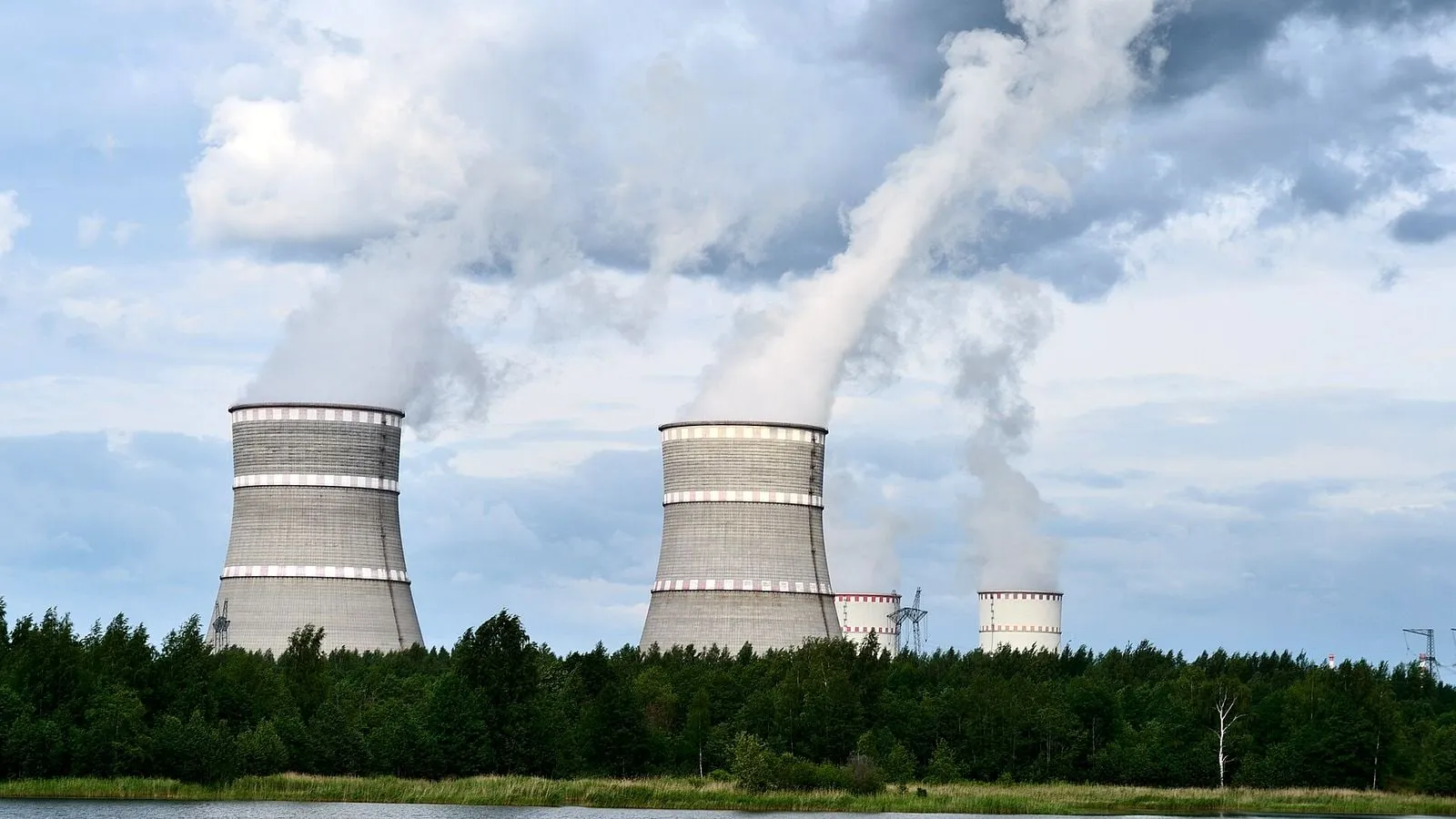
- Google and Amazon signed 20-year contracts with Constellation to expand and sustain U.S. nuclear reactors.
- Goldman Sachs says the big cloud players had negative free cash flow in the third quarter, and AI-linked debt keeps piling up.
The AI race is no longer fought only over chips: it is now a fight over megawatts. In recent weeks, the biggest AI developers have closed energy deals of unusual size, while on Wall Street an uncomfortable question is getting louder — can all this spending actually pay off?
Gas: buying the generators outright
The most striking move came from Anthropic. According to the Financial Times, as cited by TechCrunch and The Next Web, the company committed to pay $3.4 billion for up to 1.7 gigawatts of large gas-fired generators. The equipment is built by Caterpillar and had been ordered about two years ago by OnePWR Solutions, a San Antonio, Texas, supplier that could not secure financing to complete the purchase.
Anthropic had planned to buy electricity from OnePWR, but ended up taking over the generator orders and the work to install them. The deal was signed in late September and, per the FT, is the largest known purchase of power equipment by an AI company. Neither company commented.
TechCrunch points to lead times: the backlog for gas turbines stretches into the early 2030s, and queues to connect to the power grid can be just as long. Google, Amazon, Microsoft and Meta have all announced plans to build gas plants at their own data centers.
Nuclear: 20-year contracts
- Late SepAnthropic takes over OnePWR orders
Signs the $3.4 billion purchase of Caterpillar generators (reported by the FT on Nov 8).
- Sep 30Amazon and Constellation
20-year contract for 690 MW from the Calvert Cliffs plant in Maryland, including a roughly 190 MW uprate due in 2030-2032.
- Oct 6Google and Constellation
20-year contract for 890 MW of new output from 11 reactors; Constellation will invest more than $4.3 billion.
Google’s deal, according to the American Nuclear Society, does not mean building new reactors: it funds upgrades — turbines, steam generators and digital controls — to squeeze an extra 890 megawatts out of 11 units in Illinois, Pennsylvania and New Jersey. The first uprate is due by 2028.
The other half of the debate: who pays
The problem is financial. Meta reported negative free cash flow of $2.12 billion in the third quarter and its stock fell nearly 7%; Alphabet sank more than 10% after burning $9.07 billion. Goldman Sachs estimates, per CNBC, that hyperscalers as a group posted negative free cash flow because their spending outran the cash they generate, and it projects $440 billion in debt issuance next year.
On November 5 the Nasdaq fell 5% and the SOXX semiconductor ETF dropped 11%. Peter Boockvar of One Point BFG Wealth Partners told CNBC that investors are questioning the $1.2 trillion of capex forecast for next year. Raymond James’ Larry Adam, by contrast, called the sell-off a buying opportunity.
“the credit card will be taken away”
What’s next
Alphabet has promised details on its 2027 spending in its next quarterly report, and Meta has yet to set its budget. If companies keep up the pace, energy will remain the bottleneck; if credit gets more expensive, as Jefferies and Deutsche Bank warn, the bottleneck could become money.
Sources
- TechCrunch — Anthropic joins AI’s natural gas frenzy, buys $3.4B worth of turbines
- The Next Web — Anthropic buys $3.4bn of gas generators for its data centres, FT reports
- American Nuclear Society — Google, Constellation reach 11-unit uprate plan
- Constellation — Constellation and Amazon announce 20-year power purchase agreement at Calvert Cliffs
- CNBC — CoreWeave bond yield tops 16% as AI credit stress rises
- CNBC — CNBC's experts on whether the AI trade is ending
- CNBC — Alphabet sinks 10% as it holds 2026 capex unchanged
- CNBC — Meta stock sinks nearly 7% as AI spend pushes free cash flow negative