The memory shortage is making AI servers and phones pricier
AI is soaking up HBM and DRAM: SK Hynix, Samsung and Micron post record profits while phone and server makers pay far more for memory.
In 30 seconds
- TrendForce expects conventional DRAM contract prices to rise another 10% to 15% in the fourth quarter of 2026.
- SK Hynix, Samsung and Micron reported record profits driven by AI memory.
- Smartphone shipments fell 22% in the third quarter, per IDC, and Apple expects a lower margin because of memory.
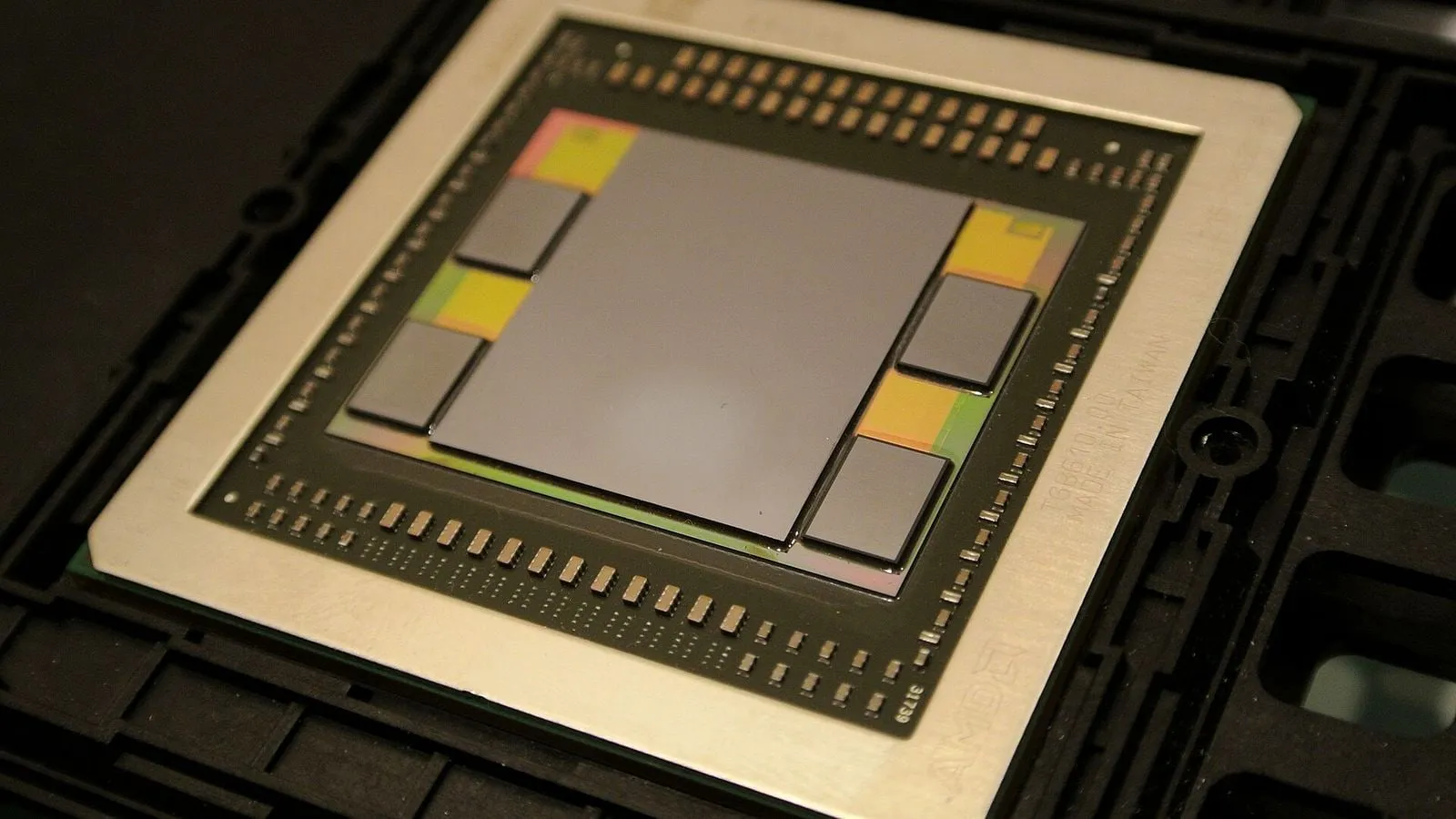
AI servers need enormous amounts of memory, especially HBM, the high-bandwidth memory stacked right next to accelerator chips. Manufacturers have shifted capacity toward those more profitable products, leaving the rest of the market — phones, PCs and conventional servers too — with less supply and much higher prices.
Prices keep climbing
According to TrendForce, conventional DRAM contract prices will rise 10% to 15% quarter over quarter in the fourth quarter of 2026, and NAND prices 15% to 20%. The firm notes the pace is easing because steep increases were already priced in during earlier quarters — not because the pressure has gone away.
Data centers take an even bigger hit. In August, TrendForce estimated that server DRAM, after rising 64% in the second half of 2025, would climb a cumulative 270% or so in 2026. It also projected that DRAM and NAND will make up 68% of major cloud providers’ capital spending in 2027, up from 47% this year.
Records for the chipmakers
On the other side, producers are having their best run ever. SK Hynix reported third-quarter revenue of 104.62 trillion won and operating profit of 83.33 trillion won, with average DRAM selling prices up by a high-20s percentage from the prior quarter, per CNBC. The company expects demand to outpace supply through 2030 and already has long-term agreements with 14 customers covering more than half of its 2027 and 2028 capacity.
Samsung earned 107.44 trillion won in operating profit, almost all of it from chips, on a sharp ramp in HBM4 sales, and expects AI investment to accelerate in 2027, tightening supply further. Micron nearly quadrupled revenue in its fiscal fourth quarter, which ended in August, to $54.23 billion.
The bill reaches phones
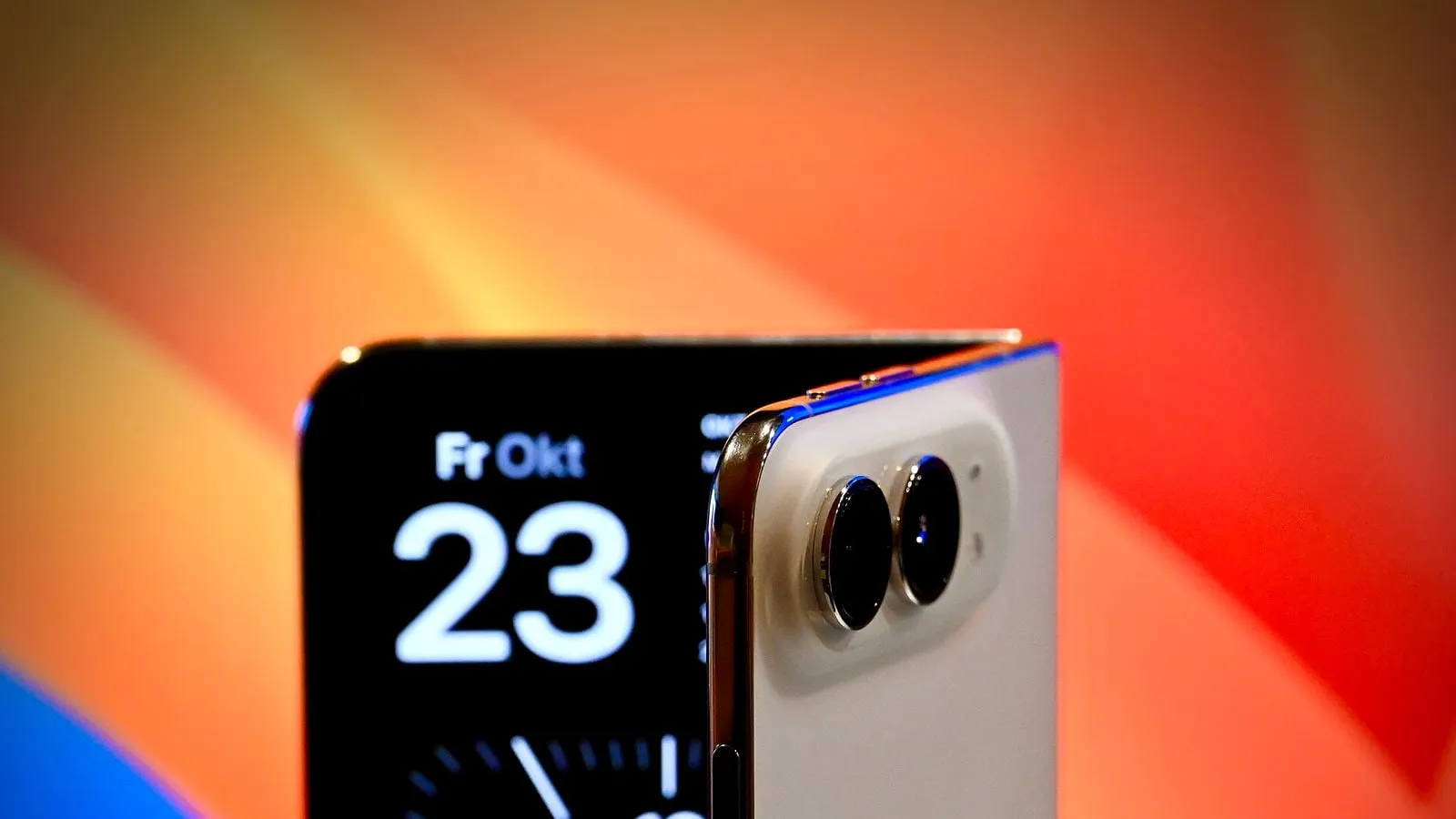
IDC estimates global smartphone shipments fell 22% in the third quarter to 255.3 million units, the steepest annual drop it has ever recorded. It blames memory costs that, by its count, have risen about 350% in a year.
“the full impact and damage of the memory crisis”
Budget devices are hit hardest: Omdia estimates memory now accounts for almost 60% of the bill of materials of a phone under $200, according to CNBC. But premium phones are not spared. Apple expects its gross margin to slip from 47.9% to 45% to 46% in the December quarter, mainly because of memory; CEO John Ternus called the situation “unprecedented” and said memory purchase prices will keep rising beyond December. Apple already raised prices in June and September.
Sources
- TrendForce — AI Server Demand Sustains Memory Contract Price Increases in 4Q26
- TrendForce — Memory Prices Soar; DRAM and NAND Flash to Account for 68% of Major CSP CapEx in 2027
- CNBC — SK Hynix shares jump 11% after record quarterly profit
- CNBC — Samsung Electronics shares slid despite record profit in the third quarter
- CNBC — Micron beats on earnings and issues strong guidance
- MacRumors — Apple Dodges Question on More Price Hikes as Memory Costs Climb
- CNBC — Apple's stock drops on weak margin forecast in Ternus’ first earnings report
- FoneArena — Global smartphone shipments drop 22% in Q3 2026 amid memory crisis: IDC
- CNBC — Sub-$100 smartphones becoming a rarity as AI memory prices soar
- CNBC — Memory stocks are getting hammered. China and a 2029 oversupply are the big worries